(Bloomberg) — Emerging-market assets fell at the start of a key week for global markets, as rising oil prices and concerns over the pace of artificial-intelligence development weighed on currencies and stocks ahead of an expected Federal Reserve interest-rate hike — its first since 2023.
An MSCI Inc. index of developing-nation currencies was down 0.2% as of 12:15 p.m. in New York Monday. The Chilean peso and the Hungarian forint were among the worst performers in a basket of 22 exchange rates tracked by Bloomberg, with the former slumping more than 1% against the dollar.
After core inflation came in hotter than expected in the US last week, markets are almost fully pricing in a 25-basis-point increase in borrowing costs by policymakers led by Chair Kevin Warsh on Wednesday. Still, Monday’s selloff eased as Brent crude pared some of its gains and 10-year US Treasury yields retreated after touching 5% for the first time since 2023.
“EMFX’s sensitivity to global risk sentiment and higher oil prices will most likely result in mild weakness over the coming days,” said Phoenix Kalen, global head of emerging-markets research at Societe Generale in London.
Still, she said, investors have become more selective in recent years, drawing clearer distinctions between currencies that are more or less vulnerable to global shocks.
Developing-nation equities dropped for a third session, poised for the longest run of declines in almost two months. South Korea’s Kospi slid more than 3% after major AI firms called for a slowdown in the technology’s development, raising concerns about a sector that has been a key driver of this year’s rally.
Brent crude rose toward $110 per barrel earlier in the day after Saudi Arabia closed its East-West pipeline, a key alternative route to the Strait of Hormuz for its oil exports, following multiple attacks. The pipeline will mostly be out of service for several weeks, the AP reported, citing regional officials.
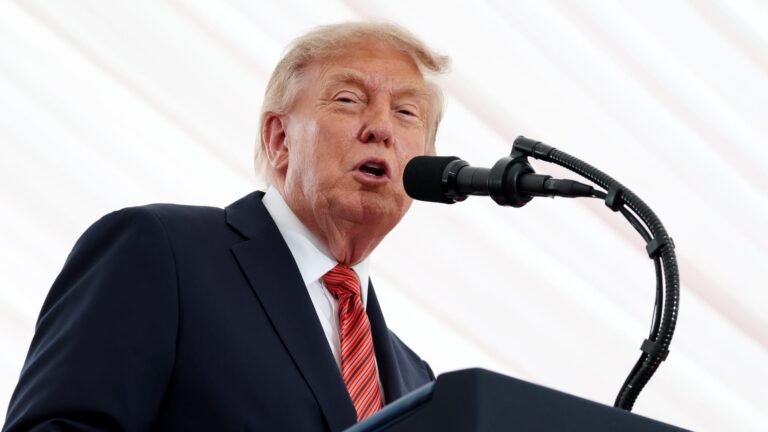
Later, oil pared its gains after President Donald Trump said Ukraine and Russia have agreed not to hit each other’s energy targets.
Traders are awaiting a string of central-bank decisions this week, starting with the Fed on Wednesday, followed by the Bank of England and Bank of Japan, for clues on the path for global interest rates as policymakers grapple with renewed inflation risks from higher oil prices.
–With assistance from Beatriz Amat.
More stories like this are available on bloomberg.com
About The Author