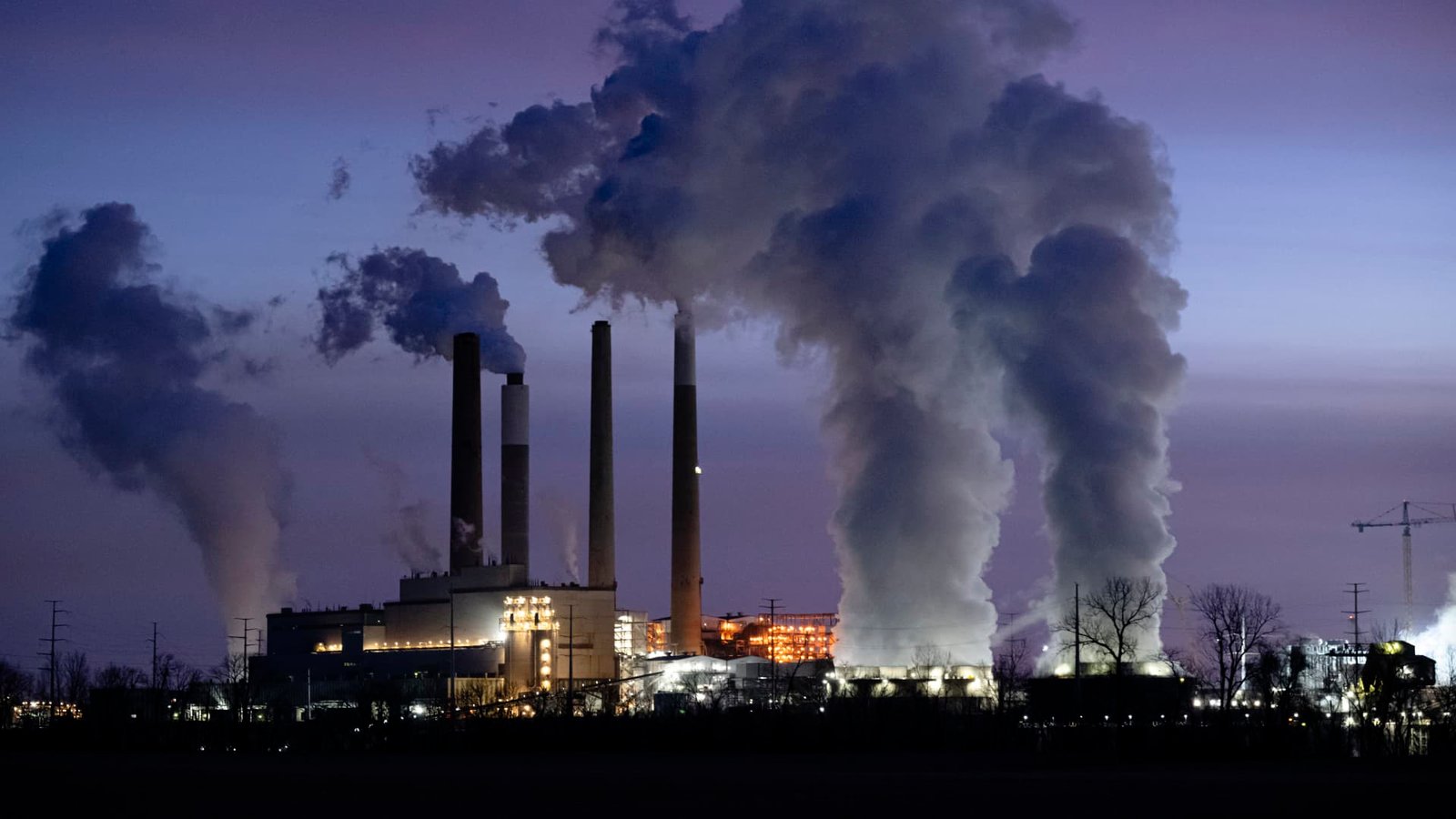
Mill Creek Generating Station, a coal-fired power plant in Louisville, Kentucky, is seen on February 14, 2026 in Elizabeth, Indiana.
Jon Cherry | Getty Images
The Environmental Protection Agency on Monday repealed limits on carbon-dioxide emissions from power plants imposed by the Biden administration, and proposed a sweeping action that would eliminate all remaining greenhouse gas rules for the sector.
The Biden administration required existing coal plants and new natural gas plants control 90% of their carbon dioxide emissions. Power plants are the second-largest source of these planet-warming emissions in the U.S. behind the transportation sector, according to the EPA.
The broader repeal, first proposed by the EPA last year, argues the federal government does not have authority under the Clean Air Act to regulate greenhouse gas emissions from power plants on the basis of climate change.
This rule, which is still subject to finalization, would prevent future administrations from regulating power plant emissions to fight climate change, an EPA official told reporters on a call Monday.
U.S. CO₂ emissions, by source
EIA
The final repeal of Biden’s rules comes as EPA Administrator Lee Zeldin, Energy Secretary Chris Wright and Interior Secretary Doug Burgum meet with their G20 counterparts in Houston, Texas, to discuss energy issues.
Zeldin framed the repeal as a way to reduce electricity prices for American families. The cost of living is a major issue ahead of the November midterm elections as gasoline and diesel prices surge due to the U.S. war with Iran.
President Donald Trump has systemically dismantled regulations implemented by the Obama and Biden administrations that sought to fight climate change. The EPA in February revoked a key finding that classified carbon dioxide as a threat to public health.
The Trump administration has sought to revive the coal industry, expand gas-fired power plants, and increase crude oil production while blocking solar and wind power projects.
About The Author