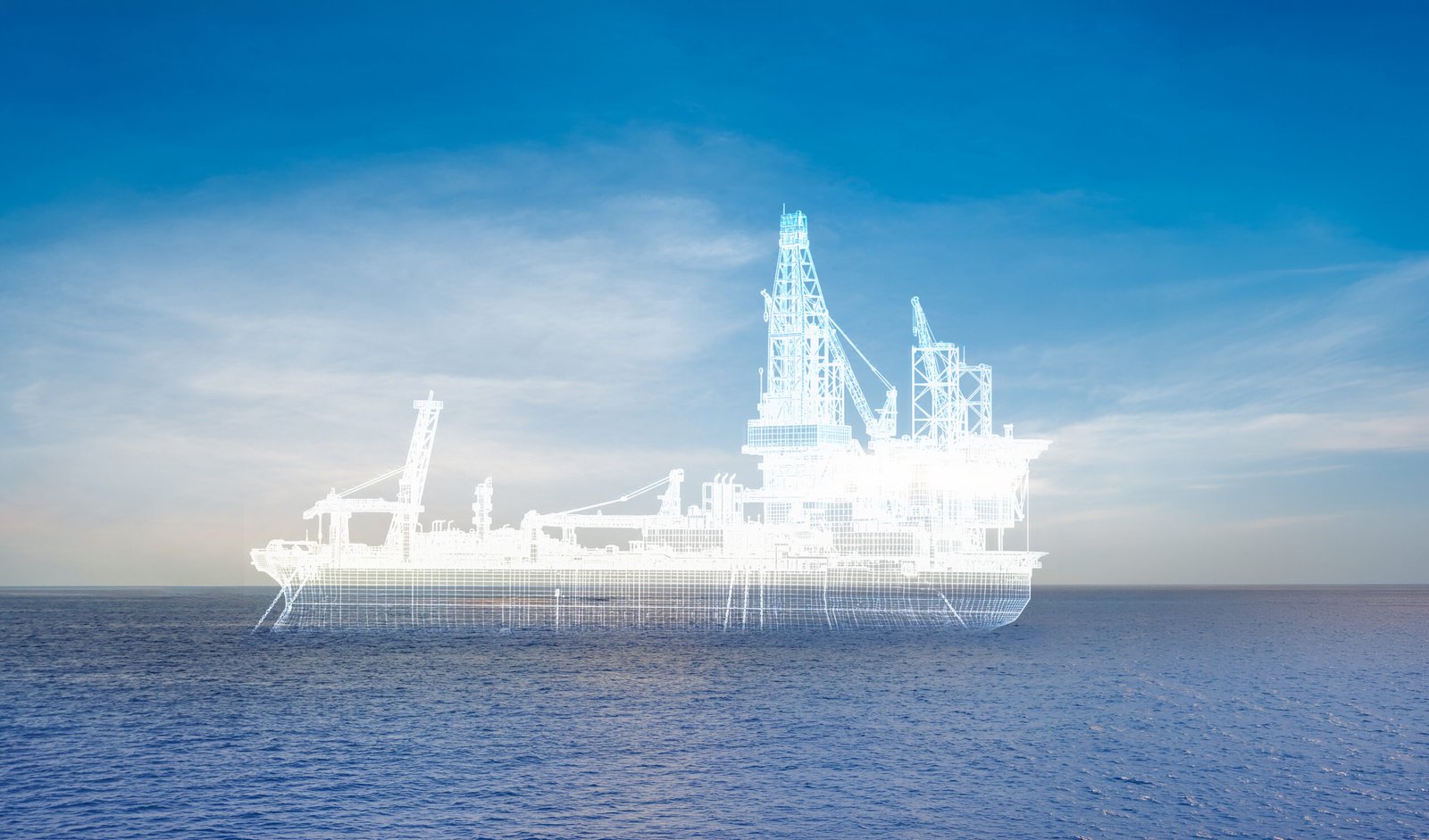
Even in an industry rich in engineering marvels, floating production storage and offloading (FPSO) vessels are standouts. Combining the complexities of extraction and refinement capabilities with mobility, these immense and invaluable ships can take several years to construct, and may cost multiple billions of dollars. The scale and scope of an FPSO project, along with the importance of reliable long-term operability, place a heavy emphasis on taking the right steps early in the process to ensure success on the water.
An FPSO first begins to take shape in the front-end engineering design (FEED) stage, and the decisions made here will carry forward and define your asset’s construction, installation, and offshore operation. It’s more than simply narrowing options: It’s laying the groundwork for everything ahead, including decisions which, since they’re made early, will be repeated in many aspects of the facility, and will be difficult to change after fabrication has begun.
Fluid systems are an example of this sort of challenge. They may represent a relatively small portion of an FPSO’s total cost, but they’re part of critical packages such as topside umbilical termination assemblies and hydraulic power units. An FPSO vessel’s fluid and analytical instrumentation systems depend on hundreds of components to, and even a small failure can lead to leaks, hazards, and downtime, particularly in a harsh oceanic environment. This means fluid system engineering contributes directly to installation, accessibility, maintenance, and ultimately long-term reliable operation.
FRONT-END ENGINEERING DESIGN AND FLUID SYSTEMS
While owner-operators and EPC (engineering, procurement and construction) companies needing to spread their attention across broader swaths of a project, engaging a fluid systems partner during FEED brings practical expertise into the process even as decisions on materials, layouts and specifications are still evolving. These execution-focused insights are crucial during FEED, since outcomes can still be influenced before constraints are locked in—it’s a matter of shaping requirements so that they align with the realities of offshore operations rather than reacting to requirements that were finalized based on limited information.
As an FPSO design comes together, details emerge, and limitations that may have once been theoretical become practical design obstacles. Installation windows and access constraints, for instance, grow more clearly defined; topsides get crowded; routing options get narrower. Every decision needs to weigh how a fluid system will be installed, accessed, and maintained offshore.
Experts in fluid systems deliver essential collaboration by evaluating everything from how components will be assembled to how tubing will be supported and routed, and whether the system is adequately accessible for inspection and maintenance once it’s up and running. Basing these design decisions on real-world considerations at this stage helps prevent the need for reworking or redesigning later in the project, which can carry a heavy cost in both time and money.
EARLY DECISIONS HAVE LASTING IMPLICATIONS
When it comes to materials and specifications, many of the longest-lasting and most critical decisions are made during FEED. The variety and severity of offshore conditions mean that factors such as material compatibility, pressure requirements, and corrosion exposure aren’t simply technical considerations taking place in a vacuum: They have a direct impact on life-cycle performance, reliability, and safety throughout the vessel.
FEED is when you need to bring deep expertise to the table, since flexibility still exists at this stage, and even small improvements to your approach can have a significant cumulative impact as selections are repeated across the facility. Are your material and component choices practical to install and maintain offshore, in addition to being technically sound? Are their pressure ratings aligned with the system requirements? Have the materials been evaluated for corrosive environments? Your fluid system partner should be equipped with the knowledge to answer all of these questions in detail and support their recommendations with proven, established evidence and solutions.
HOW FEED CAN SIMPLIFY PROCESSES
It’s a truism around the globe—the next big project that goes exactly to plan will be the first.
During FEED, specifications will expand and unexpected challenges will arise, whether they’re in long-term maintenance, construction, or procurement.
Fortunately, fluid systems experts have been dealing with these hurdles—and probably some you haven’t even thought of—for decades. The solution is to identify opportunities for standardizing FPSO construction components and assemblies, which helps reduce the risk of downstream changes, improves consistency, and simplifies designs. And as the project unfolds, standardization supports clearer documentation and more predictable execution.
Other considerations which come into focus during FEED are availability and procurement. Since small-bore fluid system components tend to be specified early and used extensively, availability should be considered up front to prevent delays when they’re needed. Aligning specifications with the realities of today’s supply chains and taking care to identify potential long-lead items can help avoid the headaches of procurement risk and prevent schedule disruptions.
KEEPING THINGS CONNECTED FROM DESIGN THROUGH OPERATION
The connection of design intent with execution is ultimately the role of a fluid systems partner during FEED. In this phase, every decision reaches beyond engineering, whether it’s related to specification, standardization, materials, or routing. What happens at this point influences the project’s fabrication, installation, commissioning, and offshore maintenance, which is why it’s important to keep these key considerations in mind:
- Construction material selection: Improved reliability and reduced long-term maintenance challenges are dependent upon choosing materials engineered to perform in corrosive offshore environments.
- Pressure and specification alignment: Optimal performance and safety rely on system specifications that align with real operating conditions.
- Design standardization: By reducing variation across components, you’ll simplify construction, installment, procurement, and overall system management in the long term.
Rarely are late design changes a minor matter on an FPSO. The costs and complexity of reworking are amplified due to limited access, tight schedules, and conditions offshore, where what might be a minor adjustment for a land-based facility becomes a significant problem. FEED presents early and effective opportunities for a thorough evaluation of not just the components you’re specifying, but how they—and the entire small-bore fluid system—will perform offshore across their entire life cycle.
When you address constructability, accessibility, and reliability during the FEED stage, and anticipate offshore constraints while simplifying system design, the result is a project that moves more efficiently from design to construction. You’ll also reduce uncertainty and build a stronger foundation for an FPSO that’s easier to maintain, more reliable, and safer, wherever the job takes it.
BRIAN RUDARY began his career with Swagelok in 2010 as an engineering co-op student. Over the course of his tenure, he has developed broad experience across engineering, commercial, and market-facing roles, supporting the growth of fluid system solutions across industrial applications. In his current role as associate market manager for oil, gas and chemical, Mr. Rudary focuses on driving commercial success in the downstream segment. He works closely with global sales teams to develop market strategies, strengthen customer engagement, and expand the adoption of engineered solutions. Mr. Rudary has an M.S. in Manufacturing Engineering Technology from Ohio Northern University and an MBA from Baldwin Wallace University.
About The Author