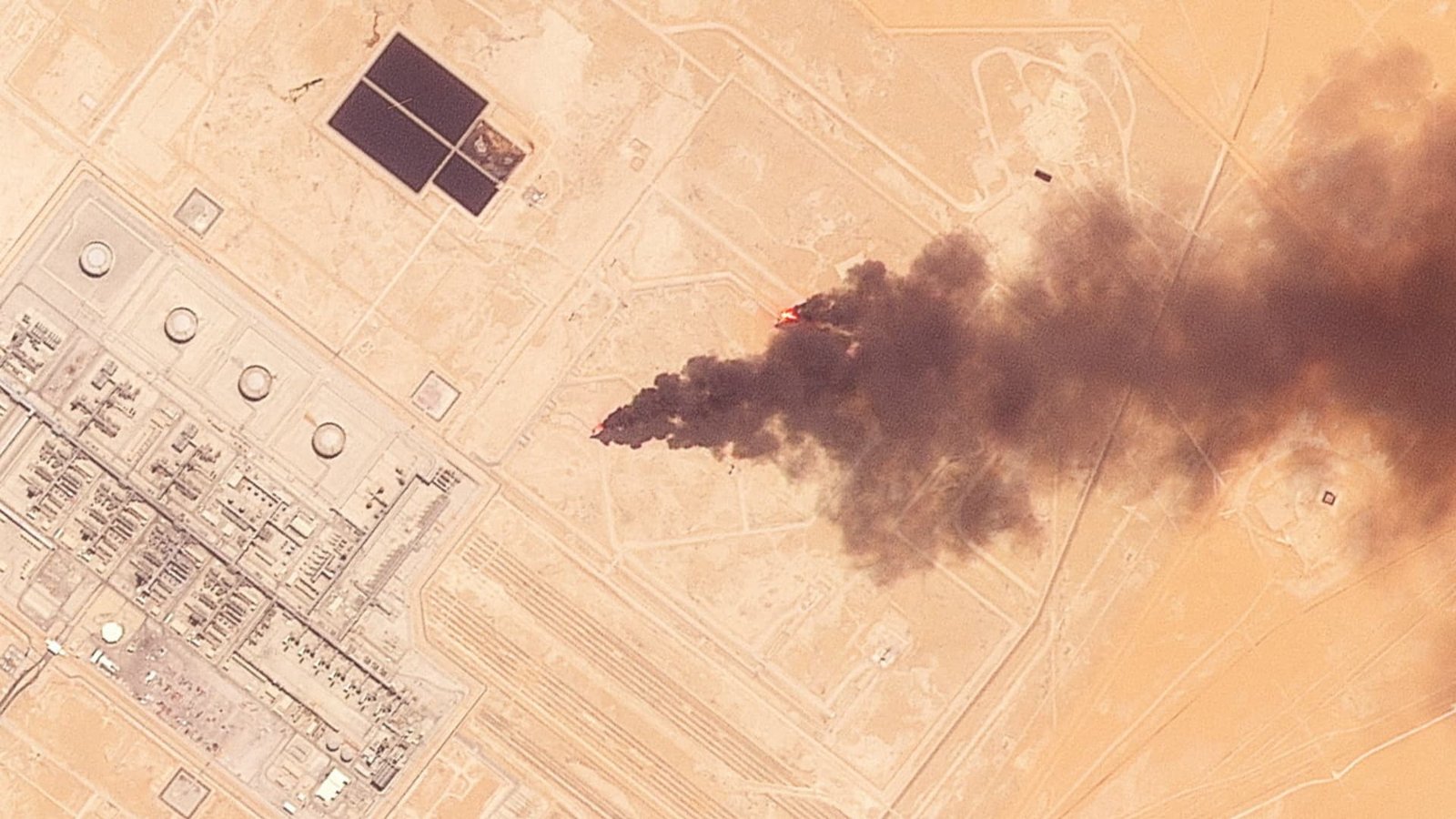
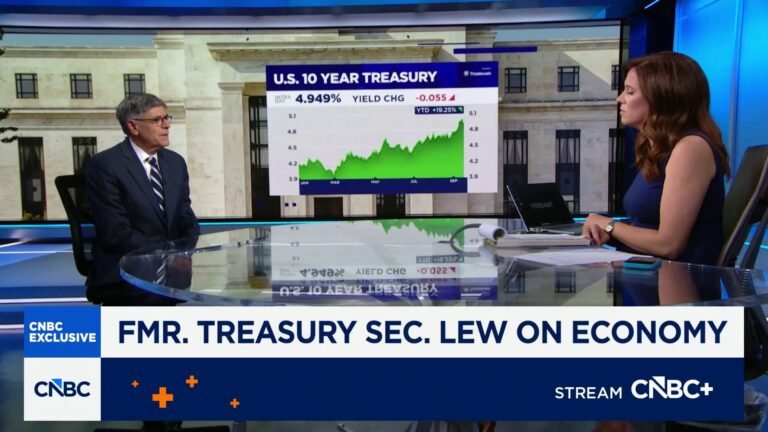
JPMorgan has thrown in the towel after attempting for months to forecast how and when the Iran war would end. “For the first time since the start of the Iran conflict, we don’t have a baseline view,” said Natasha Kaneva, head of global commodities strategy, in a Thursday note. “We simply don’t know how to model the endgame.” JPMorgan assumed at the start of the war that several economic redlines would force President Donald Trump into an agreement to open the Strait of Hormuz sometime in June, Kaneva said. Those redlines included oil above $100, gas near $5 per gallon and 10-year Treasury yields above 5%. “Six months later, many of those lines have been crossed, yet the exit strategy is less clear, not more,” Kaneva said. The U.S. and Iran did reach an interim deal to open Homruz in June, but the agreement quickly collapsed into renewed fighting that has escalated in recent weeks. Oil is now above $100 again, the 10-year Treasury yield crossed 5% this week, and pump prices are at record highs when seasonally adjusted. Even worse, diesel is above $6 per gallon and climbing with inventories at record lows, Kaneva said. Meanwhile, there are no clear signals from Washington or Tehran that they are ready to de-escalate, she said. The “assumption that the disruption is temporary is becoming increasingly difficult to sustain,” the analyst said. In fact, the conflict has only escalated in recent days. Saudi Arabia has shut down its critical East-West pipeline after it was damaged in a drone attack launched from Iraq. Iran-allied Houthi militants have made advances that could give them tighter control over tanker traffic in the southern Red Sea. And Trump told Axios in an interview Thursday that he’s coming to a crossroads on whether to restart major combat operations against Iran or end the war. “I have a big decision coming up,” Trump told Axios. “Do I want to go in and annihilate them [the Iranian regime] or do I not? It’s a big decision. Anything could happen with me.” Meanwhile, Ukraine continues to strike Russian refineries despite Trump’s claim on Monday that Kyiv and Moscow had agreed to stop attacking energy facilities. JPMorgan estimates that the fair price for Brent crude is $90 but the international benchmark is trading near $105 per barrel after almost touching $110 earlier this week. The bank assumes every 1 million barrels per day of supply lost adds about $4 to the futures price, Kaneva said. This means the market is pricing in the risk of around 4 million bpd of additional supply losses on top of the 10 million bpd that is already disrupted, she said. But there are enough oil inventories left to cushion a prolonged disruption, Kaneva said. Inventories have not dropped as precipitously as the JPMorgan commodities team originally forecast. Stocks are down 555 million barrels compared with the 1.6 billion originally expected, by Kaneva. “In short, there is still enough dry powder to keep prices contained — for now,” the analyst said.