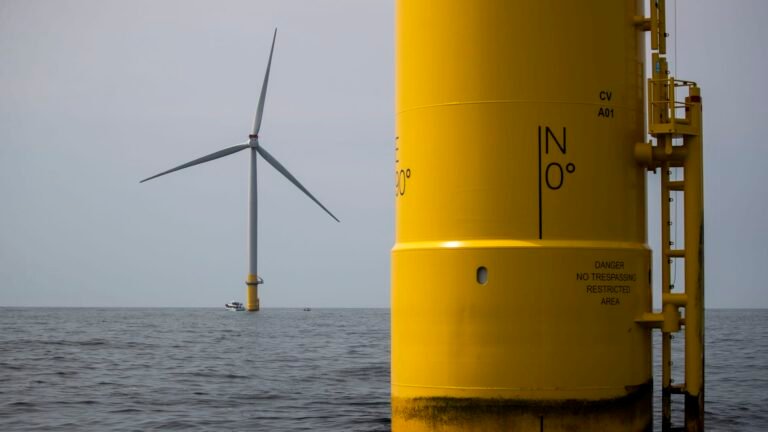
(WO) – The Malampaya Phase 4 (MP4) project has delivered first gas from the Malampaya East-1 and Camago-3 wells into the existing Malampaya production system offshore Palawan, adding an estimated 222 Bcf of recoverable natural gas reserves.

The two new wells were connected to the existing Malampaya production platform through new subsea infrastructure, and the investment totaled close to $1 billion, according to Prime Infra. President Ferdinand R. Marcos Jr., Department of Energy officials and the Service Contract 38 (SC 38) joint venture partners witnessed the ceremonial first flow at the Malampaya Onshore Gas Plant in Batangas City on November 5.
MP4 was completed 27 months after final investment decision, about five months ahead of its original schedule. It was also the Philippines’ first offshore drilling campaign in more than a decade. The supply chain spanned 17 countries for the fabrication, refurbishment and delivery of subsea components and equipment, including umbilicals, valves, subsea systems, cables, generators, pipelines and wellhead equipment.
Following first gas, integration and ramp-up of the new wells into the existing production system will continue over the coming months, and sustainable production levels will be set as operating data become available.
The added reserves are capable of generating approximately 31.46 billion kWh of electricity. Gas from offshore Palawan moves through the Malampaya gas transmission infrastructure to gas-fired power plants in Batangas that serve the Luzon grid.
“Malampaya’s resources are finite. Sustaining production requires continued investment and the technical expertise to develop reserves that are increasingly challenging to access. That is what Malampaya Phase 4 represents,” said Enrique K. Razon Jr., chairman of Prime Infra.
Since commercial operations began in 2001, the Malampaya Deep Water Gas-to-Power Project has supplied natural gas to power plants in Batangas that support approximately one-fifth of Luzon’s electricity requirements. SC 38 has contributed more than US$14 billion in revenues to the Philippine government over that period.
About The Author