
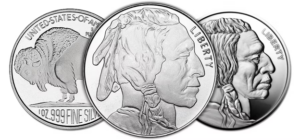
Private mints produce silver rounds that rival government coins in appearance and purity but sell for far lower premiums. These coin-shaped pieces contain .999 fine silver without legal tender status, allowing them to typically trade much closer to spot price than American Eagles or Canadian Maple Leafs. The result is a format that combines the handling advantages of coins with pricing that approaches bare silver bars. This article examines how silver rounds compare to bars and coins, key producers and designs, available size options, and how to choose rounds for maximum silver-per-dollar efficiency.
What Are Silver Rounds?
Silver bullion rounds are privately minted pieces of precious metal that resemble coins but lack government backing or legal tender status.
Definition and Characteristics
Private mints produce silver rounds as alternatives to government-issued coins. These facilities range from large established refiners to smaller specialized operations, all creating coin-shaped silver pieces outside official monetary systems. The standard format contains one troy ounce of .999 fine silver, matching the purity of government bullion coins like American Eagles. The circular shape and detailed designs often mirror official coinage, making rounds immediately familiar to buyers accustomed to handling coins. This resemblance is intentional: the coin-like format provides handling advantages and psychological comfort that rectangular bars lack.
Legal Distinctions
Despite their appearance, rounds cannot function as currency. They carry no face value and aren’t legal tender in any jurisdiction. This distinction matters legally and practically. Rounds fall under bullion classification, valued purely for precious metal content rather than monetary denomination. Regulatory frameworks treat them differently than official coinage, subjecting them to specific rules about production and marketing. Private mints cannot claim “coin” status for their products or imply any government connection. These restrictions explain why rounds cost less than government coins: buyers pay for silver content without the premium that official backing commands.
Silver Rounds vs. Bars vs. Coins
Silver rounds sit squarely between bars and government-issued coins, combining elements of both formats while avoiding their main drawbacks. Understanding how they compare helps clarify when rounds make the most sense within a silver strategy.
For a practical breakdown of how these formats compare in real-world stacking strategies, watch this video.
Pricing and Value
Silver bars are generally the lowest-cost way to acquire silver, with pricing focused almost entirely on metal content. Government-issued coins, by contrast, carry higher premiums due to sovereign backing, legal tender status, and strong brand recognition.
Silver bullion rounds fall between these two extremes. They trade closer to silver’s intrinsic value than government coins while offering a more refined and familiar format than basic bullion bars. For buyers focused on maximizing ounces without sacrificing presentation, rounds offer a balanced value proposition.
Physical Format and Handling
Compared to bars, rounds benefit from a circular, coin-like shape that allows for more detailed designs and easier handling. They fit neatly into standard coin tubes, stack cleanly, and are generally more comfortable for buyers accustomed to dealing with coins rather than rectangular ingots.
When compared to government coins, rounds offer nearly identical size, weight, and purity without the additional cost tied to official minting and legal tender status. The experience of owning and handling them is similar, but at a lower entry price.
Liquidity and Market Acceptance
Silver rounds are widely recognized within the bullion market and are readily bought and sold by dealers. While they may not enjoy the same universal acceptance as government-issued coins, established producers and familiar designs help maintain strong resale demand.
Unlike sovereign coins, rounds typically require basic verification of weight and purity at resale, particularly when dealing with lesser-known brands. Even so, they remain more liquid than obscure or irregularly sized bars and are easy to move through most bullion channels.
Major Silver Round Producers
The silver round market includes both generic unbranded pieces and products from established mints with recognizable names and reputations. Producer choice affects premium, resale value, and authentication ease.
Generic Silver Rounds
Generic rounds carry minimal branding and simple designs focused purely on weight and purity specifications. These pieces often come from various mints producing functionally interchangeable products. The lack of distinctive branding keeps premiums as low as possible, frequently making generic rounds the closest to spot price among all silver formats. For investors prioritizing maximum ounces per dollar with no concern for aesthetics or producer identity, generic rounds deliver pure cost efficiency in bulk purchases.
Buffalo/Indian Head Designs
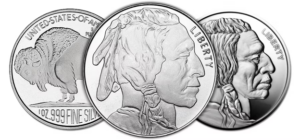
Silver Buffalo rounds displaying Type I Buffalo nickel-inspired design with Indian Head profile and bison reverse, marked 1 oz .999 fine silver.
Source: Blanchard
Buffalo silver rounds replicate the Type I Buffalo nickel design featuring Native American profile and American bison imagery. Multiple mints produce Buffalo-style rounds, making them among the most widely available and recognized designs in the silver round market. This universal familiarity provides buyer comfort while maintaining reasonable premiums, typically adding only $1 to $1.50 over generic silver rounds. The classic American imagery appeals to buyers wanting something more distinctive than plain generic designs without paying premium coin prices.
Sunshine Minting
Sunshine Minting distinguishes itself through MintMark SI security technology, i.e. micro-engraved features visible only under magnification that help authenticate genuine products. The Idaho-based mint maintains consistent quality standards across specifications and finish. Pricing remains competitive, often placing Sunshine rounds among the best values in branded products. Beyond standard offerings, Sunshine produces various designs including seasonal and themed releases, providing options beyond basic bullion rounds while maintaining cost discipline.
Asahi Refining
Asahi operates the former Johnson Matthey refining facility, inheriting Japanese quality standards and reputation. The mint favors clean, minimalist designs that appeal to buyers preferring understated aesthetics over ornate imagery. Market recognition continues growing as Asahi silver rounds gain wider distribution through major dealers. Pricing sits in the middle range between bare generic rounds and premium artistic pieces, offering brand recognition without excessive premiums.
SilverTowne
Operating since 1949, this Indiana-based private mint brings decades of production experience to the silver round market. SilverTowne maintains an extensive catalog spanning multiple design themes and series releases. The Prospector round, featuring a miner and eagle, serves as the mint’s signature design and remains widely recognized. Strong Midwest dealer relationships support regional availability, though SilverTowne products distribute nationally through major bullion dealers.
Golden State Mint
Golden State Mint focuses on artistic merit and creative designs beyond typical round offerings. The California mint produces specialty items including non-circular shapes and unique themes that push beyond standard bullion aesthetics. Higher premiums reflect the additional design work and smaller production runs. Some Golden State products attract numismatic interest alongside bullion buyers, creating crossover appeal for collectors willing to pay modest premiums for distinctive pieces.
Size Variations and Options
Silver rounds come in multiple weights to accommodate different budgets and storage strategies, though the standard one-ounce format dominates the market.
Standard 1 oz Silver Rounds
The one-ounce round serves as the industry standard and most liquid size. These pieces carry the lowest percentage premiums per ounce of silver, making them the most cost-efficient option for building positions. Standard tubes hold 20 rounds, simplifying storage and organization. Virtually all bullion dealers sell and buy silver rounds of this size, ensuring easy entry and exit from positions.
Fractional Silver Rounds
1/2 oz and 1/4 oz silver rounds
1/2 oz silver rounds and 1/4 oz rounds accommodate smaller budgets and provide flexibility for incremental purchases. These sizes carry moderate premiums above the percentage markup on full ounces but remain more affordable than fractional government coins.
1/10 oz Silver Rounds
Tenth-ounce pieces represent the smallest common fractional format. Premium percentages increase significantly at this size due to production costs being spread across less silver content. These work best for gift-giving or very small regular purchases rather than serious accumulation.
Multi-Ounce Rounds
Larger formats including 2 oz, 5 oz, and 10 oz rounds offer visual impact and potentially better per-ounce pricing. 2 oz silver rounds balance substantial size with manageable unit cost. 5 oz silver rounds provide impressive weight in hand. 10 oz silver rounds approach bar territory in heft while maintaining the circular format and detailed designs that distinguish rounds from rectangular ingots.
Popular Designs and Themes
Silver round designs range from elaborate artistic interpretations to minimal branding, with pricing and appeal varying accordingly.

Patriotic silver round depicting Revolutionary War Minuteman with musket against striped flag background and constitutional rights text.
Source: Blanchard
Classic American Imagery
Classic U.S. motifs dominate silver round designs. Silver Buffalo rounds and Indian Head rounds draw from historic American coinage, while Walking Liberty and Morgan Dollar–style rounds echo familiar silver coins without official status. Eagle designs are also common, offering patriotic symbolism in a privately minted format.
Seasonal and Holiday Rounds
Seasonal designs include Christmas imagery such as Santa, nativity scenes, and winter themes, along with patriotic and commemorative releases tied to specific events or dates. These rounds are typically purchased for gifting rather than long-term accumulation, combining silver content with presentation appeal.
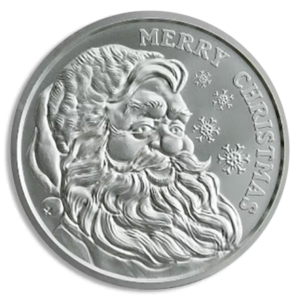
One-ounce .999 fine silver Christmas-themed round featuring detailed Santa Claus portrait with beard and snowflake decorations.
Source: Blanchard
Generic and Minimalist
Generic and minimalist rounds prioritize function over aesthetics. Designs often feature simple shields, mint marks, or basic inscriptions listing weight and purity. By minimizing artwork and branding, these rounds carry the lowest premiums and appeal to investors focused purely on cost-efficient silver accumulation.
Pricing and Premium Structure
Silver round premiums vary based on producer reputation, order size, and market conditions, with bulk purchases delivering the most significant cost advantages.
Factors Affecting Premiums
Recognized producers command higher premiums than unknown sources due to established quality standards and resale confidence. Design complexity adds minimal cost: artistic rounds rarely cost much more than generic silver rounds since production expenses focus on metal and minting rather than artwork. Market conditions create temporary premium expansion during demand surges, particularly when silver prices move sharply or supply constraints develop.
Quantity Discounts
Individual and Tube Purchases
Single rounds carry the highest per-ounce premiums due to handling costs spread across minimal metal. Twenty-round tubes provide the first meaningful discount tier, reducing premiums while maintaining accessible purchase amounts for most buyers.
Bulk Orders
Orders exceeding 100 ounces trigger significant premium reductions as dealers pass along their own volume pricing advantages. Purchases reaching 500 to 1,000 ounces approach wholesale pricing structures, delivering per-ounce costs that can rival generic bar pricing while maintaining round format benefits.
Spot Price Opportunities
Dealers occasionally offer promotional pricing at or very near spot, though these sales typically require minimum purchase quantities. Silver price volatility sometimes creates brief windows where competitive pressure drives premiums down. Silver rounds at spot price remain rare outside special circumstances – sustainable premiums reflect real production and distribution costs that rarely disappear completely.
Authentication and Quality
Buyers verify silver rounds through physical testing and visual inspection, with some mints adding security features that simplify the authentication process.
Verification Methods
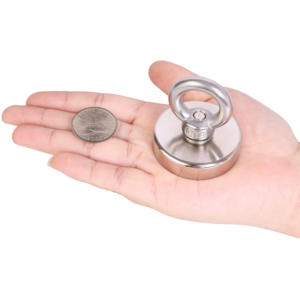
Quarter-ounce silver round in palm beside powerful neodymium fishing magnet showing relative scale of fractional bullion piece.
Source: Startup Kitchen
The most reliable initial test involves confirming weight: genuine 1 ounce silver rounds weigh 31.1 grams, a specification counterfeiters struggle to match when using base metals or incorrect alloy ratios. Additionally, a simple magnet reveals obvious fakes immediately since silver lacks magnetic properties, eliminating pieces with ferrous metal content. Beyond these basic tests, striking a round gently produces a distinctive ring that experienced buyers recognize as genuine silver’s characteristic tone, different from the dull sound of base metals.
Security and Quality Features
Some producers go beyond standard authentication by incorporating proprietary security technology. Sunshine Minting’s MintMark SI uses micro-engraving visible only under magnification, while certain premium rounds include serial numbers for tracking provenance.
Even without these features, visual quality indicators help distinguish legitimate rounds from suspicious pieces. Sharp strike details, consistent surfaces free of spotting or blemishes, and clean edges all signal professional minting standards that counterfeiters rarely replicate successfully.
Storage and Handling
Proper storage protects silver rounds from physical damage and environmental tarnish while maintaining resale appeal.
Storage Options
Silver rounds are most commonly stored in standard coin tubes, which hold 20 pieces and keep rounds stacked in an organized, protected format that allows for easy handling and counting. Individual capsules are used when preserving surface condition matters more, particularly for higher-premium rounds. Larger quantities are often stored in bulk containers such as protective boxes or cloth bags, which prioritize capacity over individual protection. For large accumulations, factory-sealed monster boxes holding 500 rounds provide efficient storage and are frequently preferred by dealers during resale.
Preventing Tarnish and Damage
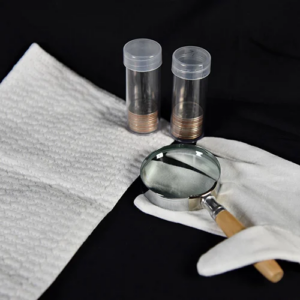
Proper silver round handling equipment including clear plastic storage tubes, white cotton gloves, and handheld magnifier for inspection.
Source: US Mint
Limiting exposure to air and moisture helps reduce tarnish over time, making airtight storage beneficial for long-term holding. Handling rounds with cotton gloves prevents fingerprints and skin oils from marking surfaces. Even when using tubes, care should be taken to avoid overfilling, as excess pressure can cause contact marks between rounds. Stable temperature and humidity further slow natural deterioration, though bullion rounds valued primarily for metal content generally do not require intensive climate control to remain marketable.
Investment Strategy with Silver Rounds
Silver rounds support a range of accumulation strategies depending on budget, time horizon, and portfolio goals.
Building Positions
Dollar-Cost Averaging
Many buyers build silver positions gradually through regular purchases, spreading entry points across different price levels. This reduces the impact of short-term volatility and removes the pressure of timing the market. Because silver rounds carry lower premiums than government coins, frequent smaller purchases remain cost-effective over time.
Bulk Buying
Others prefer to concentrate purchases into larger orders, taking advantage of volume discounts that reduce per-ounce premiums. Buying 100 ounces or more at once often delivers meaningfully better pricing, making bulk purchases attractive during price pullbacks or periods of lower premiums.
Generic Focus
Cost-conscious investors often prioritize generic rounds when building positions. Minimal branding keeps premiums low while still delivering full silver content, making generic silver rounds an efficient way to maximize ounces per dollar.
Design Mix
Some buyers introduce variety by adding familiar designs, such as silver Buffalo rounds, without significantly increasing overall costs. This approach maintains cost discipline while improving recognition and resale comfort.
Portfolio Allocation
Silver rounds commonly form the core of cost-efficient silver portfolios because they balance low premiums with a familiar, easily tradable format. They work equally well for incremental accumulation and larger allocations, giving buyers flexibility as positions grow.
Rounds are often complemented by other silver formats depending on specific objectives. Bars may be added for large purchases where minimizing premiums is the primary concern, while government-issued coins can provide broader recognition and ease of resale. Rather than following rigid allocation formulas, most investors adjust their mix based on prevailing premiums, liquidity needs, and market conditions, allowing rounds to expand or contract as value opportunities shift.
Exit Planning
When selling, dealers typically buy silver rounds at discounts below spot price, with spreads varying by producer recognition and overall market conditions. Rounds from established mints generally receive more favorable buyback pricing than unbranded pieces.
Silver rounds for sale through private channels can sometimes recover more value, particularly for recognizable producers during periods of strong demand, though they require more effort and verification. Ultimately, returns depend not only on silver price appreciation but also on timing sales relative to dealer spreads. Profitable sales may be subject to capital gains taxes, with treatment depending on holding period and individual tax circumstances.
Conclusion
Silver rounds offer a practical middle ground for investors who want low premiums without sacrificing a familiar, coin-like format. Privately minted and valued purely for their metal content, they deliver .999 fine silver at costs closer to bars than government-issued coins. With broad dealer acceptance, flexible sizing, and a wide range of designs, rounds suit both steady accumulation and larger allocations focused on silver weight rather than collectability. Explore Blanchard’s selection of silver rounds from recognized producers to build cost-efficient positions that balance attractive designs with minimal premiums over melt value.
FAQs
1. Are silver rounds a good investment?
Rounds provide cost-efficient silver exposure with lower premiums than government coins, making them effective for investors focused on accumulating maximum metal content rather than collectible value.
2. Should I buy silver rounds or bars?
Rounds cost slightly more than bars but offer more detailed designs and familiar coin-like handling, while bars deliver absolute lowest premiums for pure cost efficiency.
3. Is it better to buy silver rounds or coins?
Rounds contain the same silver purity as government coins at substantially lower premiums, though coins offer higher liquidity and universal recognition for resale.
4. How much are silver rounds worth?
Silver rounds are valued primarily on their metal content, trading at small premiums above silver’s spot price depending on producer, design, and market conditions.
About The Author
